When hardwood flooring gets wet, time is critical. Water that isn’t completely removed can lead to mold growth in as little as 24 to 48 hours. Mold exposure can trigger respiratory issues, allergies, and other health problems. Once it takes hold beneath your flooring, remediation becomes much more difficult and costly.
Hidden Moisture Problems
Even if your floor’s surface feels dry, moisture often remains trapped beneath the boards or in the subfloor. This hidden dampness can continue to damage the structure over time. Using professional-grade moisture meters and dehumidification equipment ensures all layers are fully dried according to industry standard IICRC S500 guidelines.
Understanding the Type of Water Damage
Not all water damage is the same. The IICRC categorizes water contamination into three main types:
- Category 1: Clean water from a sanitary source, like a supply line or sink overflow. Usually manageable if addressed immediately.
- Category 2: “Gray water” that may contain contaminants, such as dishwasher leaks or sump pump failures. Poses moderate health risks.
- Category 3: “Black water” from sewage or floodwaters. This type is hazardous and requires protective measures or professional remediation.
If you’re unsure what type of water you're dealing with, it’s safest to call an IICRC-certified professional rather than risk exposure. You can learn more about the different water categories in our article: The Three Categories of Water Damage
How Long Has It Been Sitting?
Drying should begin as soon as possible. The longer water remains, the greater the chance of permanent damage, i.e. warped boards, cupping, staining, and mold growth. Ideally, extraction and drying should begin within hours of the incident.
Proper Drying Techniques
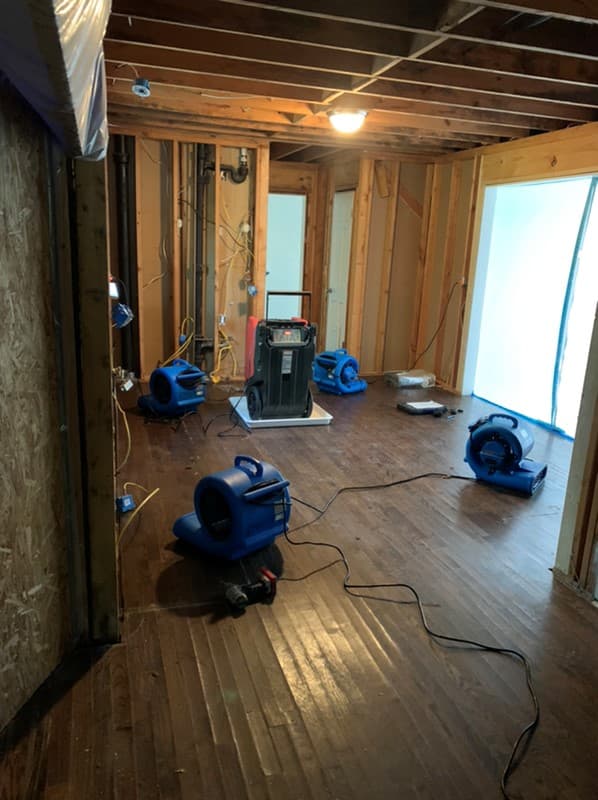
Restoring hardwood floors isn’t just about visible dryness. It means controlling humidity, airflow, and temperature for several days using high-volume air movers and commercial dehumidifiers. Depending on the extent of damage, drying can take anywhere from two to five days. If the wood begins to separate or swell excessively, replacement may be the only safe option.
Save It If You Can, Replace It If You Can’t
If full moisture removal isn’t possible or there’s visible mold growth, replacement is typically the safer and more cost-effective route. Never compromise your family’s health by trying to salvage materials that can harbor hidden contaminants.
Professional Help When You Need It
Dealing with water-damaged wood flooring is stressful, but you’re not alone. IICRC-certified professionals use specialized tools to detect hidden moisture and restore your home safely.
For homeowners in Suwanee, GA, and the metro Atlanta area, R4 Restoration is available 24/7 to assess and restore water-damaged hardwood floors with precision and care.